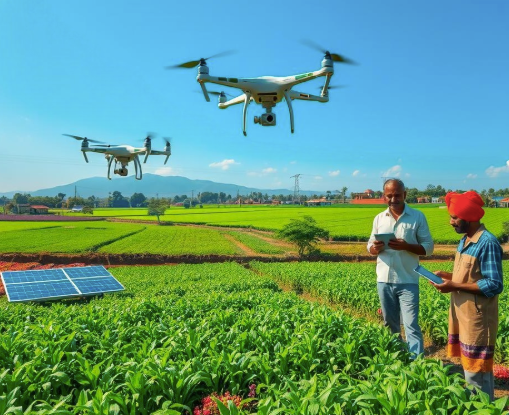
Smart farming technologies represent a significant shift in agricultural practices, driven by advancements in data analytics and connectivity. Tools such as IoT devices and drones are increasingly utilized to gather real-time information, enabling farmers to make informed decisions. This analytical approach not only enhances productivity but also promotes sustainability. Understanding the underlying technologies and their implications is crucial, as the future of agriculture hinges on these innovations. What specific tools and trends will shape this evolving landscape?
Understanding Smart Farming Technologies
A growing number of agricultural practices are being transformed by smart farming technologies, which leverage data-driven techniques to enhance productivity and sustainability.
Precision agriculture employs advanced data management systems to optimize resource allocation, reduce waste, and improve crop yields.
Key Tools Driving Smart Agriculture
Numerous tools are at the forefront of smart agriculture, each designed to enhance operational efficiency and crop management.
Precision agriculture employs data analytics and IoT devices to optimize resource use, while drone technology provides aerial insights for crop monitoring.
Soil sensors ensure precise nutrient management, and automation systems streamline processes, collectively driving advancements toward sustainable agricultural practices and increased productivity.
Benefits of Implementing Smart Farming Solutions
While the adoption of smart farming solutions may require initial investment and training, the long-term benefits significantly outweigh these challenges.
Implementing these technologies leads to substantial cost savings through efficient resource management and reduced waste.
Additionally, smart farming enhances yield optimization by utilizing data-driven insights, allowing farmers to make informed decisions that maximize productivity while promoting sustainable agricultural practices, ultimately fostering greater autonomy.
See also: sidedtech
The Future of Agriculture: Trends and Innovations
Advancements in smart farming technologies are setting the stage for a transformative future in agriculture.
Innovations such as vertical farming and precision agriculture are emerging trends, enabling higher yields and resource efficiency. These technologies facilitate data-driven decision-making, enhancing crop management while minimizing environmental impact.
The integration of automation and AI further empowers farmers, promoting sustainability and independence in agricultural practices.
Conclusion
In conclusion, smart farming technologies are transforming agriculture by integrating advanced data-driven solutions that enhance productivity and sustainability. For instance, a study revealed that precision agriculture can increase crop yields by up to 20% while reducing input costs by nearly 15%. This statistic underscores the significant impact of employing IoT devices, drones, and analytics in modern farming practices. As these innovations continue to evolve, they hold the potential to further revolutionize the agricultural landscape, ensuring food security and environmental stewardship.