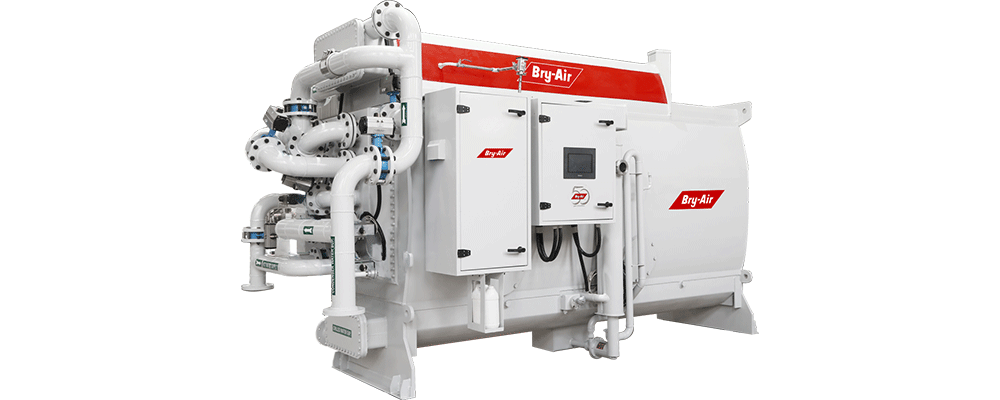
Understanding the Need for Advanced Cooling Solutions
Industrial environments depend heavily on reliable cooling systems to maintain stable operating conditions. As energy demands increase, traditional cooling methods that rely on high electricity consumption are becoming less sustainable. Industries are now exploring alternative technologies that can deliver efficient cooling while reducing energy usage.
One such innovative approach is adsorption cooling, which uses thermal energy instead of relying entirely on electrical power. This technology is gaining attention for its ability to optimize energy consumption and support environmentally responsible operations.
The growing focus on sustainability and efficiency has positioned adsorption based systems as a key solution in modern industrial cooling strategies.
How Adsorption Cooling Works
Basic Principle of Operation
Adsorption cooling systems operate through a process in which a refrigerant is attracted and held by a solid material known as an adsorbent. This interaction allows the system to create a cooling effect without the need for conventional compressors.
The cycle involves two main stages. In the adsorption phase, the refrigerant is absorbed by the adsorbent, producing cooling. In the desorption phase, heat is applied to release the refrigerant, allowing the cycle to repeat continuously.
Use of Thermal Energy Sources
A defining feature of adsorption cooling is its reliance on heat as the primary energy source. This heat can be derived from industrial processes, waste heat, or renewable sources such as solar energy.
By utilizing available thermal energy, these systems significantly reduce the need for electrical power, making them highly energy efficient.
Continuous and Stable Performance
Adsorption cooling systems are designed to operate in a steady cycle, ensuring consistent cooling output. Advanced control mechanisms help maintain optimal performance by regulating temperature and system conditions.
Key Advantages of Adsorption Cooling Systems
Energy Efficiency Improvements
One of the most important benefits of adsorption cooling is its ability to reduce electricity consumption. By using heat energy, these systems lower overall energy demand and improve efficiency.
Environmental Sustainability
Adsorption systems contribute to environmental sustainability by reducing greenhouse gas emissions. They often use natural refrigerants, which further enhances their eco friendly profile.
Reduced Operational Costs
Lower energy consumption translates into reduced operating costs. Over time, this makes adsorption cooling a cost effective solution for industrial applications.
Minimal Mechanical Complexity
With fewer moving parts compared to traditional systems, adsorption cooling units experience less mechanical wear. This results in lower maintenance requirements and improved reliability.
Role of Absorption Chiller Manufacturers in Technology Advancement
Innovation and System Development
Manufacturers play a critical role in advancing adsorption cooling technology. Continuous research and development efforts lead to improved system efficiency and performance.
Custom Engineered Solutions
Different industries require specific cooling solutions. Leading absorption chiller manufacturers offer customized systems tailored to meet unique operational needs.
Quality Assurance and Reliability
Manufacturers ensure that their systems meet high quality standards and regulatory requirements. This guarantees reliable performance and long term durability.
Applications of Adsorption Cooling in Industry
Process Cooling
Adsorption cooling systems are widely used in industrial processes where precise temperature control is required. Their ability to utilize waste heat makes them particularly effective in such environments.
HVAC Applications
These systems are also used in large scale heating, ventilation, and air conditioning setups. They provide efficient cooling for commercial and industrial facilities.
Integration with Renewable Energy Systems
Adsorption cooling can be integrated with renewable energy sources, enhancing sustainability and reducing reliance on conventional energy.
Factors to Consider When Choosing Adsorption Cooling Systems
Availability of Heat Source
The efficiency of adsorption cooling depends on the availability of a reliable heat source. Evaluating existing energy systems is essential before implementation.
Cooling Capacity Requirements
Selecting the right system capacity ensures that cooling demands are met effectively. Proper sizing is crucial for optimal performance.
Installation and Space Planning
Adequate space and proper installation are important for efficient operation. Planning ensures seamless integration with existing infrastructure.
Maintenance and Support
Regular maintenance is necessary to ensure long term performance. Choosing systems with strong support services enhances reliability.
Integration with Modern Industrial Systems
Smart Control and Automation
Modern adsorption cooling systems are equipped with advanced control technologies that allow for real time monitoring and adjustments. This ensures consistent performance and improved efficiency.
Data Driven Optimization
Data analytics play a key role in optimizing system performance. Continuous monitoring helps identify areas for improvement and maintain efficiency.
Scalability and Flexibility
Adsorption cooling systems can be designed to accommodate future expansion. This flexibility allows industries to adapt to changing requirements.
Emerging Trends in Adsorption Cooling Technology
Focus on Energy Optimization
Ongoing advancements aim to improve energy efficiency and reduce operational costs. New materials and designs contribute to enhanced performance.
Integration with Smart Technologies
The adoption of smart systems enables better monitoring and control of cooling processes. This enhances reliability and operational efficiency.
Sustainable Engineering Innovations
Sustainability remains a key focus in the development of adsorption cooling systems. Eco friendly designs and materials are being introduced to reduce environmental impact.
Conclusion
Adsorption cooling represents a significant advancement in industrial cooling technology by offering an energy efficient and sustainable alternative to traditional systems. Its ability to utilize thermal energy, reduce electricity consumption, and support environmentally responsible operations makes it an ideal choice for modern industries.
With continuous innovation and support from industry leaders like Bry-Air, adsorption cooling systems are set to play an increasingly important role in shaping the future of industrial efficiency and sustainability.