Across many developing countries, utilities are facing growing pressure to improve water management, reduce losses, and modernize outdated infrastructure. For many years, mechanical water meters were the standard choice because they were simple, affordable, and widely available. However, as cities expand and water demand increases, traditional metering systems are no longer enough to meet the needs of modern utilities and residential projects.
Today, more governments, water authorities, and property developers are turning to advanced water metering solutions to improve billing accuracy, monitor consumption, and support long-term smart city development. Smart water meters are gradually replacing mechanical models in many regions across Africa, Southeast Asia, and other emerging markets.
The Limits of Mechanical Water Meters
Mechanical water meters have served the industry for decades, but they come with clear disadvantages. Since they rely on moving internal parts, they are more likely to suffer from wear over time. This can lead to lower accuracy, especially in environments where water quality is poor or maintenance is infrequent. In many developing countries, utilities may not have enough labor or budget to inspect and replace old meters regularly, which creates long-term measurement and billing problems.
Another challenge is that mechanical meters usually require manual reading. This means utility staff must visit each location to collect data, which takes time and increases labor costs. In remote areas, apartment buildings, and large housing projects, manual meter reading is often inefficient and prone to error.
Why Smart Water Meters Are Replacing Them
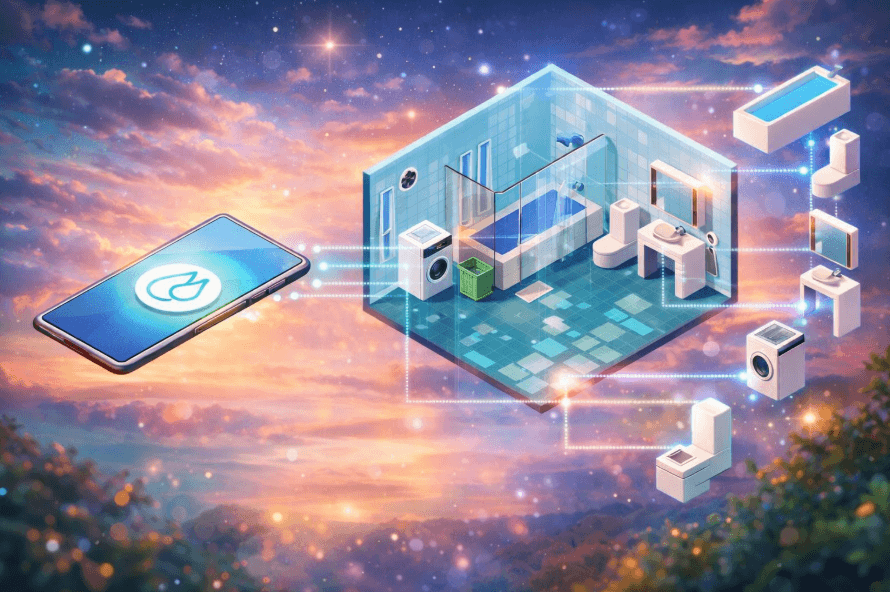
Smart water meters offer a more efficient and accurate alternative. They can transmit data remotely, allowing utilities to monitor water consumption without sending staff door to door. This improves efficiency and provides faster access to consumption data for billing and analysis.
In addition, smart meters help utilities identify leaks, unusual usage, and possible water loss much earlier. This is especially important in developing countries where non-revenue water remains a major challenge. By using real-time or scheduled data collection, utilities can respond more quickly and improve system performance.
Many smart water metering systems also support prepaid management, which is becoming increasingly popular in emerging markets. Prepaid water meters allow users to pay before consumption, helping utilities improve cash flow while giving end users better control over their water expenses.
See also: Smart Farming Technologies Explained
A Growing Trend for the Future
The shift from mechanical to smart water meters is not only about replacing one device with another. It reflects a larger move toward digital utility management and smarter infrastructure planning. As developing countries continue to invest in urban growth and public services, smart water meters are becoming an important part of improving efficiency, reducing waste, and building more reliable water systems.
For utilities, contractors, and developers, adopting smart metering technology is becoming a practical step toward better resource management and more sustainable infrastructure.