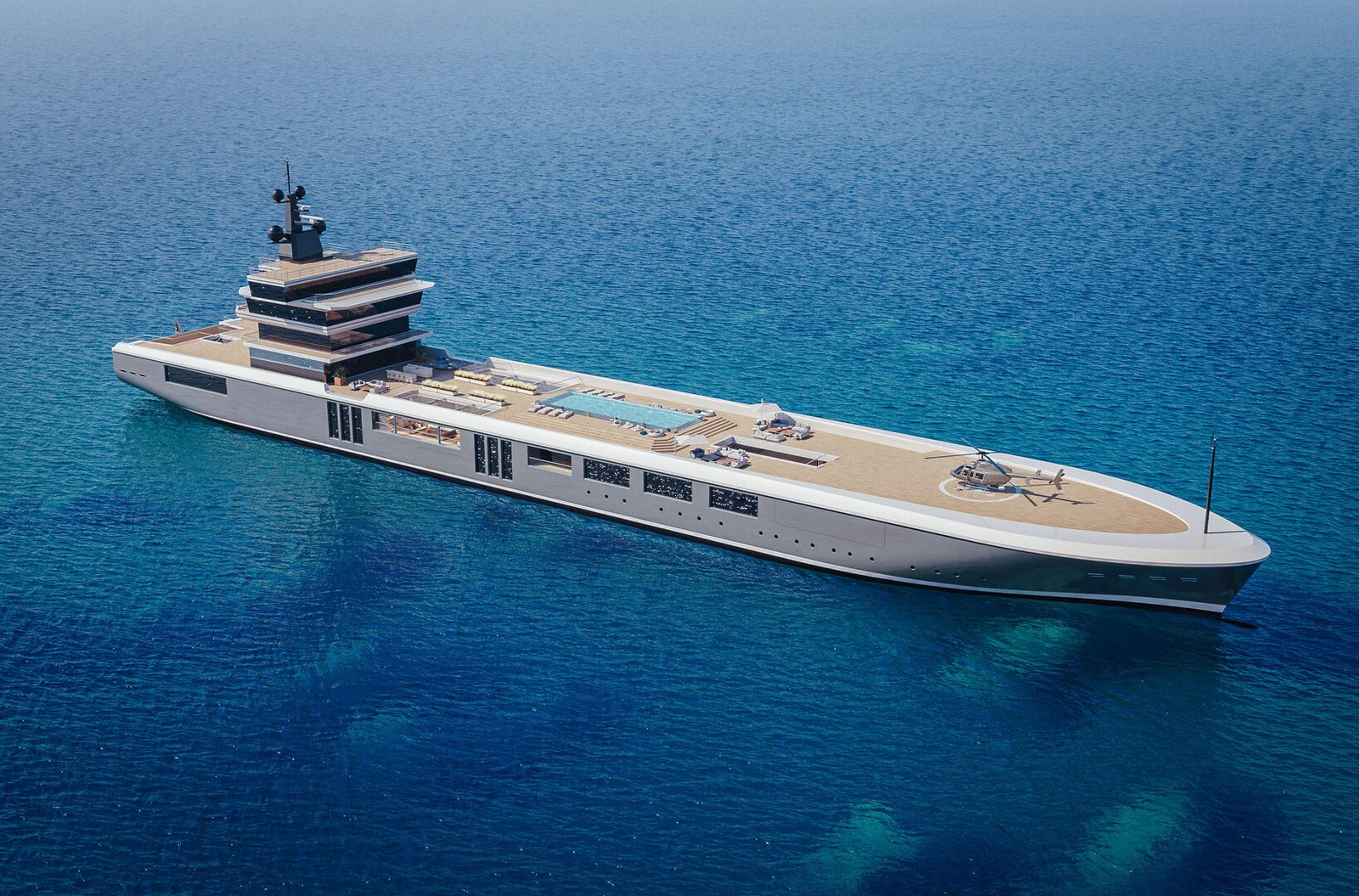
The ocean has always challenged human ingenuity. From the earliest wooden vessels to today’s advanced cargo carriers and naval ships, the journey of ship design reflects a constant effort to balance safety, efficiency, and performance. Yet, as global demands evolve and environmental concerns intensify, traditional approaches to ship design are no longer enough.
Modern ocean engineering requires a shift in thinking. Designers are not just building vessels that float and move; they are creating complex systems that must operate efficiently across long distances, withstand harsh marine environments, and meet stricter sustainability standards. This new reality is pushing ship design into a more innovative and integrated direction.
This article explores how ship design is being reimagined in today’s world. It examines the science, technology, and forward-thinking strategies shaping the future of ocean engineering while offering a deeper understanding of how innovation is redefining what ships can achieve.
The Evolution of Ship Design
Ship design has come a long way from its origins in simple craftsmanship. Early vessels were built based on experience and intuition, with limited scientific understanding of hydrodynamics or structural behavior. Over time, advances in engineering introduced more precise calculations, enabling the creation of larger and more efficient ships.
The industrial era marked a turning point, as steel replaced wood and steam engines transformed propulsion. This period laid the foundation for modern ship design, introducing standardized methods and improved safety measures.
Today, ship design is a multidisciplinary field that combines naval architecture, materials science, fluid dynamics, and digital technology. Engineers now rely on sophisticated tools and simulations to predict how a vessel will perform before it is even built. This evolution reflects a broader shift from trial-and-error approaches to data-driven innovation.
Understanding the Core Principles of Ship Design
At its core, ship design is about achieving balance. A vessel must be stable, efficient, and capable of performing its intended function under a wide range of conditions. These requirements are interconnected, meaning that changes in one aspect of the design can influence others.
Hydrodynamics plays a crucial role in determining how a ship moves through water. The shape of the hull affects resistance, fuel consumption, and overall efficiency. Engineers carefully design hull forms to minimize drag while maintaining stability.
Structural integrity is another key consideration. Ships must withstand forces from waves, cargo loads, and operational stresses. This requires careful selection of materials and precise engineering to ensure durability over time.
Propulsion systems also influence ship design. Whether powered by traditional engines or alternative energy sources, the choice of propulsion affects speed, efficiency, and environmental impact.
Understanding these core principles allows engineers to create designs that meet both functional and regulatory requirements.
The Role of Innovation in Modern Ship Design
Innovation is at the heart of modern ship design. As global shipping demands increase, there is a growing need for vessels that are faster, more efficient, and environmentally responsible.
One area of innovation is hull optimization. Advanced computational methods allow engineers to refine hull shapes with a level of precision that was not possible in the past. These improvements can significantly reduce fuel consumption and emissions.
Another area is propulsion technology. The industry is exploring alternative fuels and energy sources, including hybrid systems and renewable energy solutions. While these technologies are still evolving, they represent a promising direction for reducing the environmental impact of shipping.
Automation and digitalization are also transforming ship design. Smart systems can monitor performance in real time, allowing for more efficient operation and maintenance. These technologies are enabling ships to operate with greater precision and reliability.
Sustainability and Environmental Considerations
Sustainability has become a central focus in ship design. The maritime industry is under increasing pressure to reduce its environmental footprint, leading to significant changes in how ships are designed and operated.
One of the main challenges is reducing emissions. Ship designers are exploring ways to improve fuel efficiency and adopt cleaner energy sources. This includes optimizing hull designs, improving propulsion systems, and integrating energy-saving technologies.
Another important consideration is minimizing environmental impact during construction and operation. This involves selecting materials that are durable and recyclable, as well as designing ships that can be maintained and upgraded over time.
Sustainable ship design also considers the broader ecosystem. Engineers must ensure that ships operate in a way that minimizes harm to marine life and reduces pollution.
Digital Transformation in Ship Design
Digital technology is reshaping every stage of ship design, from initial concept to final construction. Simulation tools allow engineers to test different design scenarios and predict performance under various conditions.
Digital twins, which are virtual representations of physical ships, are becoming increasingly important. These models enable continuous monitoring and analysis, providing valuable insights into how a ship performs in real-world conditions.
Data analytics is also playing a key role. By analyzing large amounts of operational data, engineers can identify patterns and make informed decisions to improve design and efficiency.
This digital transformation is making ship design more precise, efficient, and adaptable to changing requirements.
Challenges Facing Modern Ship Design
Despite these advancements, ship design faces several challenges. One of the most significant is balancing innovation with practicality. New technologies must be reliable, cost-effective, and compatible with existing infrastructure.
Regulatory requirements add another layer of complexity. Ships must comply with international standards related to safety, emissions, and performance. Meeting these requirements while pushing the boundaries of innovation can be a difficult task.
There is also the challenge of uncertainty. The maritime industry is evolving rapidly, and it is not always clear which technologies will become standard in the future. Designers must make decisions based on current knowledge while remaining flexible enough to adapt to future developments.
Read Also: Smart Farming Technologies Explained
The Human Element in Ship Design
While technology plays a crucial role, the human element remains essential in ship design. Engineers bring experience, creativity, and critical thinking to the design process.
Collaboration is key. Ship design often involves teams of specialists working together to address different aspects of the project. This collaborative approach ensures that designs are comprehensive and well-balanced.
Experience also plays a significant role in decision-making. Engineers must interpret data, anticipate challenges, and make informed choices that go beyond what models and simulations can provide.
The combination of human expertise and advanced technology is what drives successful ship design.
Future Trends in Ship Design Innovation
Looking ahead, ship design is likely to continue evolving in response to technological advancements and environmental challenges. Autonomous vessels are one area of interest, with the potential to transform how ships are operated.
Energy efficiency will remain a priority, with ongoing research into alternative fuels and propulsion systems. These developments aim to create ships that are both economically and environmentally sustainable.
Modular design concepts are also gaining attention. By designing ships with interchangeable components, engineers can create vessels that are easier to upgrade and maintain.
These trends suggest that ship design will become increasingly flexible, efficient, and responsive to changing demands.
Frequently Asked Questions (FAQ)
What is ship design?
Ship design is the process of planning and creating vessels that can safely and efficiently operate in marine environments. It involves considerations such as structure, stability, propulsion, and performance.
Why is ship design important?
Ship design is essential for ensuring safety, efficiency, and environmental sustainability in maritime operations. It directly affects how a vessel performs and how it impacts the environment.
What factors influence ship design?
Factors include hydrodynamics, structural integrity, propulsion systems, environmental conditions, and regulatory requirements.
How is technology changing ship design?
Technology is improving ship design through advanced simulations, digital twins, automation, and data analytics. These tools allow for more precise and efficient design processes.
What are the challenges in modern ship design?
Challenges include balancing innovation with cost, meeting regulatory requirements, and adapting to rapidly changing technologies.
How does sustainability affect ship design?
Sustainability influences ship design by encouraging the use of cleaner energy sources, efficient hull designs, and environmentally friendly materials.
What is the future of ship design?
The future of ship design includes autonomous vessels, alternative energy solutions, and more flexible design approaches that can adapt to changing needs.
Conclusion
Ship design is undergoing a significant transformation, driven by the need for greater efficiency, sustainability, and innovation. As ocean engineering evolves, traditional methods are being replaced by more advanced and integrated approaches that consider the full lifecycle of a vessel.
By combining scientific principles, digital technologies, and human expertise, modern ship design is pushing the boundaries of what is possible. Engineers are not only solving current challenges but also preparing for a future where ships must meet even higher standards of performance and environmental responsibility.
Rethinking ship design is ultimately about embracing change and innovation. It is about creating vessels that are not only capable of navigating the oceans but also contributing to a more sustainable and efficient maritime industry. This forward-thinking approach ensures that ship design will continue to play a vital role in shaping the future of global transportation.