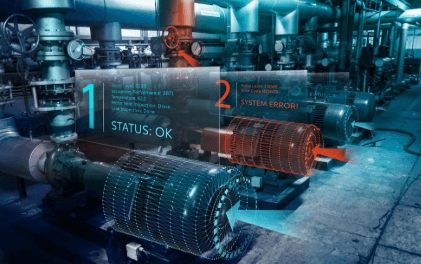
In today’s competitive manufacturing environment, maintaining high product quality while improving efficiency is critical for success. This is where automated visual inspection is transforming the way businesses monitor production lines. By combining advanced imaging technology, artificial intelligence, and machine learning, automated visual inspection systems allow companies to detect defects, ensure consistency, and maintain strict quality standards without slowing down operations.
As industries continue to adopt smarter technologies, automated inspection has become a key component in modern production environments.
What Is Automated Visual Inspection?
Automated visual inspection refers to the use of cameras, sensors, and intelligent software to automatically examine products for defects or inconsistencies during the manufacturing process. Instead of relying solely on manual inspections, companies can use high-speed imaging systems to analyze thousands of items per minute.
These systems are commonly used to identify issues such as:
- Surface defects or scratches
- Incorrect product assembly
- Missing components
- Packaging errors
- Dimensional inconsistencies
By automating the inspection process, manufacturers can maintain consistent quality while significantly reducing human error.
Why Automated Visual Inspection Is Important
Quality control has always been a cornerstone of manufacturing. However, traditional inspection methods often struggle to keep up with high production volumes. Automated visual inspection provides a smarter and more reliable alternative.
1. Improved Accuracy
Human inspectors can become fatigued or miss small defects during repetitive tasks. Automated systems, on the other hand, can maintain consistent performance throughout the production cycle. High-resolution cameras combined with intelligent algorithms allow these systems to detect even the smallest flaws.
2. Faster Production Processes
Speed is essential in modern manufacturing. Automated inspection systems can analyze products in real time, ensuring that production lines continue running smoothly without delays.
3. Reduced Operational Costs
While implementing automated inspection technology requires an initial investment, it often reduces long-term operational costs. Businesses save money by minimizing product recalls, reducing waste, and lowering labor costs associated with manual inspections.
4. Consistent Quality Standards
Maintaining consistent product quality across large production runs is challenging. Automated visual inspection ensures that every product is evaluated using the same criteria, eliminating inconsistencies in the inspection process.
How Automated Visual Inspection Works
Automated inspection systems typically operate through a combination of hardware and intelligent software. The process usually includes several stages:
Image Capture
High-speed industrial cameras capture detailed images of products as they move through the production line. Lighting systems are carefully configured to highlight specific product features and potential defects.
Image Processing
Once images are captured, specialized software analyzes them using computer vision algorithms. These algorithms compare each product against predefined quality standards.
Defect Detection
If the system detects any irregularities—such as scratches, dents, or incorrect shapes—it flags the product as defective.
Automated Decision Making
Defective products can automatically be removed from the production line using robotic arms or automated sorting systems. This ensures that only high-quality products continue to the next stage of production.
Industries Benefiting from Automated Visual Inspection
Automated visual inspection technology is widely used across many industries that require precise quality control.
Manufacturing
In general manufacturing environments, automated systems inspect parts for defects, ensuring products meet strict quality standards before reaching customers.
Automotive
Automotive manufacturers rely on visual inspection systems to check components such as engine parts, circuit boards, and body panels for defects.
Electronics
Electronic devices contain delicate components that must meet precise specifications. Automated visual inspection helps detect soldering defects, misaligned parts, or damaged components.
Food and Beverage
In food production, automated systems help identify packaging errors, contamination risks, and labeling inconsistencies.
Pharmaceuticals
Pharmaceutical companies use automated inspection systems to ensure packaging accuracy, verify labeling, and maintain compliance with strict regulatory requirements.
The Role of Artificial Intelligence in Visual Inspection
Artificial intelligence is making automated visual inspection even more powerful. Machine learning algorithms allow systems to continuously improve their accuracy by learning from previous inspections.
For example, AI-driven systems can:
- Identify new defect patterns
- Improve detection accuracy over time
- Adapt to new product designs
- Reduce false positives during inspections
As AI technology continues to evolve, automated visual inspection will become even more advanced and capable.
Challenges of Implementing Automated Inspection Systems
Despite its many advantages, implementing automated visual inspection can present challenges.
Initial Setup Costs
Advanced cameras, sensors, and software can require significant investment during the initial setup phase. However, the long-term efficiency gains often outweigh these costs.
Integration with Existing Systems
Manufacturers must ensure that automated inspection solutions integrate seamlessly with their current production lines and IT infrastructure.
System Training and Calibration
To achieve accurate results, inspection systems must be properly trained and calibrated to recognize both acceptable product variations and true defects.
With the right planning and technical support, these challenges can be effectively managed.
The Future of Automated Visual Inspection
As industries move toward smart manufacturing and Industry 4.0, automated visual inspection will play an even larger role in production processes. Advances in artificial intelligence, robotics, and computer vision will continue to enhance inspection capabilities.
Future systems may include:
- Fully autonomous inspection platforms
- Cloud-based monitoring and analytics
- Real-time production insights
- Integration with predictive maintenance systems
These developments will help manufacturers achieve even greater levels of efficiency, accuracy, and product reliability.
See also: Data Center Deracking: A Complete Guide to Efficient IT Infrastructure Decommissioning
Final Thoughts
Automated visual inspection is rapidly becoming a cornerstone of modern quality control. By combining advanced imaging technology with intelligent software, businesses can detect defects faster, reduce operational costs, and maintain consistent product quality.
As manufacturing processes continue to evolve, companies that invest in automated inspection systems will be better positioned to meet increasing customer expectations while maintaining efficient production workflows. In a world where precision and speed matter more than ever, automated visual inspection provides the technological advantage needed to stay competitive.