Door hardware may be overlooked by many, but it is an integral component of both the functionality of the quality doors and their design. The combination of handles, hinges, and locks is considered to provide secure and smooth usage, in addition to enhancing the overall visual appearance of the flush doors.
Why Is The Door Hardware A Key Component?
From a performance and design standpoint, door hardware will have an impact on:
- An individual’s ability to use the product and how long it will last
- The overall level of security and privacy
- The overall visual appearance and finishing details
- The overall maintenance and durability
Door Handles – Where Function Meets Style
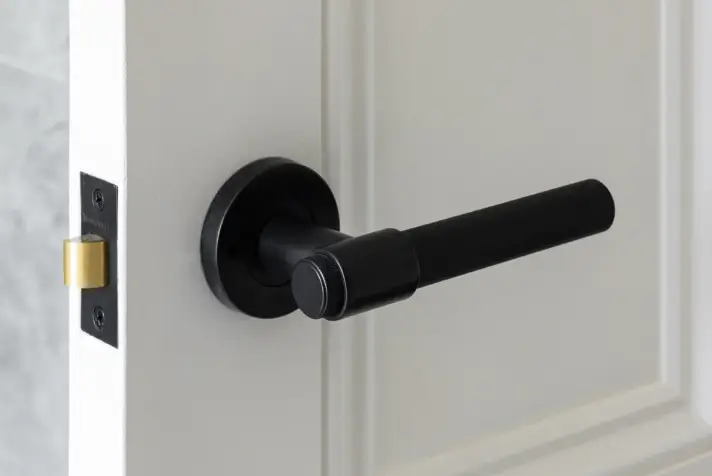
The door handle is the most visible hardware that you will see, which will significantly affect how your door looks.
Types of Door Handles
- Lever Handles – Are easy to operate and function well in modern style homes.
- Knob Handles – Are traditional in style and compact in appearance, and are generally used on bedroom doors.
- Pull Handles – Are very modern in style and big in appearance, and would work well on a main entrance way or large panel door.
- Mortise Handles – Are specifically designed to house a locking mechanism that will provide a high level of security.
See also: Generative AI: Redefining Creativity, Innovation, and Business Growth
Hinges – The Backbone of Door Functionality
Hinges will provide smooth movement of the door and provide support to any weight that may be applied to the door. If you choose a low-quality hinge on your door, this will lead to a misalignment of the door over time.
Types of Hinges
Hinges are primarily for hanging doors.
- Butt Hinge: This is the most common type of hinge used on doors. It has 2 rectangular plates located on the frame and mounted with screws. The door frame has a slight cut back from the edge so that the hinge can sit flush on the edge of the door frame and is concealed.
- Concealed Hinge: The concealed hinges are mounted inside the door and frame, giving a clean, modern, and neat appearance.
- Ball Bearing Hinge: Ball-bearing hinges are used for heavy doors; they have an internal component that rotates as the door swings with each opening and closing motion.
- Pivot Hinge: A designer’s large door can be hung using a pivot hinge.
Locks
Locks are essential components of your home to provide safety and security for both the inside and outside of your home.
Common types of locks used on doors are:
- Mortise Locks are the most secure locks, have the longest life and are only designed for exterior doors.
- Cylindrical Locks are the most widely used lock type in homes; these are only designed for internal use.
- Deadbolts add extra security to an entrance door.
- Smart Lock is a type of keyless access lock with additional keyless entry options for greater flexibility.
Conclusion:
Using long-lasting, high-quality hardware will create a beautiful and functional door that will last for years to come.