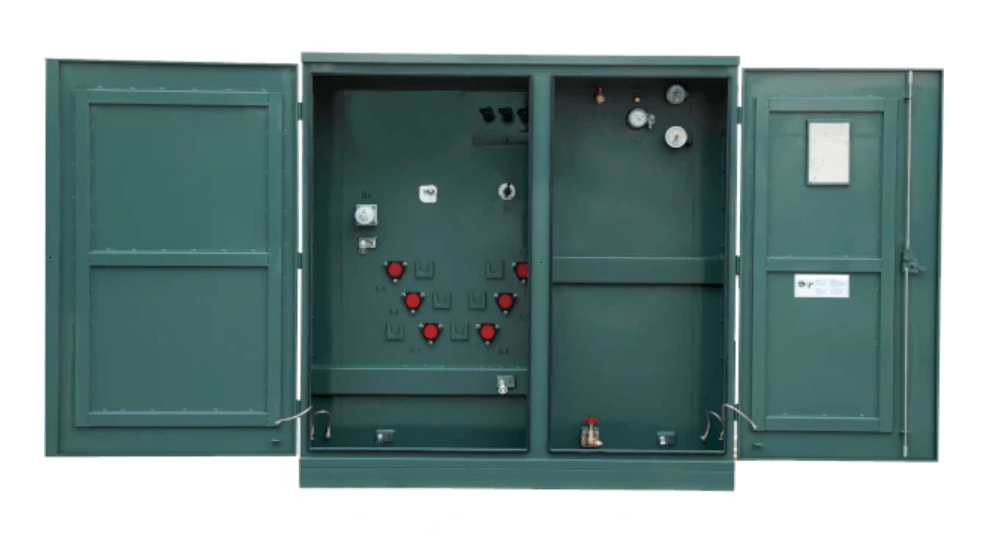
Modern power systems depend on stable voltage levels, safe fault management, and reliable distribution networks to keep electricity flowing efficiently. One important component that supports these goals is grounding transformers. These transformers play a major role in stabilizing electrical systems, especially in utility networks where proper grounding is necessary for operational safety and consistent performance.
As electric grids continue to expand and integrate renewable energy sources, utilities increasingly rely on grounding transformers to maintain balanced system conditions and protect valuable infrastructure. Their ability to create a neutral point in ungrounded systems makes them essential for preventing voltage instability, reducing equipment damage, and improving fault detection across the grid.
Understanding Grounding Transformers
Grounding transformers are specialized transformers designed to provide a neutral grounding point for power systems that otherwise lack a direct connection to earth ground. In many utility networks, especially delta-connected systems, there is no natural neutral point available. Without proper grounding, these systems can become unstable during faults or abnormal operating conditions.
Utilities install grounding transformers to create a reference point between the electrical system and the earth. This connection helps maintain stable phase voltages and allows protective equipment to detect and isolate faults quickly.
The most common grounding transformer configurations include:
- Zigzag grounding transformers
- Wye-delta grounding transformers
- Neutral grounding transformers
Among these, zigzag grounding transformers are widely used because of their compact design and effective fault current handling capabilities.
Why Grid Stability Matters
Grid stability refers to the power system’s ability to maintain normal voltage, frequency, and operating conditions despite changing loads or unexpected disturbances. Utility companies must constantly balance electricity generation and demand while protecting the network from failures.
An unstable grid can lead to:
- Voltage fluctuations
- Equipment overheating
- Transformer failures
- Power outages
- Reduced power quality
Grounding transformers help utilities avoid these issues by supporting fault management and voltage control throughout the system.
The Role of Grounding Transformers in Utility Networks
Utilities use grounding transformers for several important purposes within transmission and distribution systems.
Creating a Neutral Point
Many distribution systems operate using delta connections that do not naturally include a neutral point. During ground faults, these systems may experience dangerous overvoltages that can damage insulation and connected equipment.
Grounding transformers create an artificial neutral point that allows the system to remain properly referenced to ground. This improves voltage balance and minimizes stress on electrical components.
Supporting Fault Detection
Ground faults are among the most common electrical problems in utility networks. Without proper grounding, detecting these faults becomes difficult because fault currents may remain too low for protection systems to recognize.
Grounding transformers allow sufficient fault current to flow so that relays and circuit breakers can identify and isolate the problem area quickly. Faster fault detection helps utilities minimize outage durations and protect system reliability.
Limiting Transient Overvoltages
Ungrounded systems are more vulnerable to transient overvoltages caused by lightning strikes, switching operations, or temporary faults. These voltage spikes can damage transformers, cables, and switchgear.
Grounding transformers stabilize system voltages during abnormal conditions, helping reduce the risk of insulation breakdown and equipment failure.
Improving System Safety
Proper grounding reduces the likelihood of hazardous voltages appearing on equipment enclosures or nearby structures. This is especially important for utility substations and industrial power systems where worker safety is a major concern.
Grounding transformers help maintain safer operating conditions by ensuring controlled current flow during faults.
How Zigzag Grounding Transformers Work
Zigzag grounding transformers are commonly used by utilities because of their unique winding arrangement. Each phase winding is divided into two sections connected in opposite directions. This design allows the transformer to:
- Provide a neutral grounding point
- Handle ground fault currents efficiently
- Minimize harmonic distortion
- Operate without transferring significant load power
Under normal operating conditions, the magnetic flux produced by the windings cancels out, resulting in minimal current flow. However, during a ground fault, the transformer provides a low impedance path for fault current to return to ground.
This design makes zigzag grounding transformers highly effective for utility applications where stable grounding is required without the need for a full power transformer.
Grounding Transformers in Renewable Energy Integration
The rapid growth of renewable energy sources has increased the importance of grounding transformers in modern utility grids.
Wind Power Systems
Wind farms often use collector systems with delta-connected networks. Grounding transformers provide the necessary neutral grounding point for safe operation and effective fault management.
They also help stabilize voltage conditions across long cable runs connecting turbines to substations.
Solar Power Installations
Large solar farms may require grounding transformers to support inverter-based power systems. Proper grounding helps utilities maintain grid code compliance and improve protection coordination.
As renewable generation becomes more widespread, grounding transformers play a larger role in maintaining stable interconnections between renewable facilities and utility networks.
See also: Smart Farming Technologies Explained
Grounding Transformers and Fault Current Management
Fault current management is one of the most critical aspects of power system protection. Excessive fault current can severely damage equipment and create dangerous operating conditions.
Utilities often use grounding transformers together with grounding resistors or reactors to control fault current magnitude.
Resistance Grounding
In resistance grounded systems, a resistor is connected between the transformer neutral and ground. This approach limits fault current to a safe level while still allowing protective relays to operate correctly.
Benefits include:
- Reduced equipment damage
- Lower arc flash risk
- Improved system reliability
- Better fault coordination
Reactance Grounding
Reactance grounding uses reactors instead of resistors to limit fault current. This method is more common in high voltage transmission systems where utilities need to manage large fault currents efficiently.
Grounding transformers support both grounding methods depending on system design requirements.
Maintaining Voltage Stability
Voltage stability is essential for reliable grid operation. Unbalanced voltages can lead to overheating, motor damage, and poor equipment performance.
Grounding transformers help utilities maintain balanced phase voltages during:
- Single line to ground faults
- Switching operations
- Temporary disturbances
- Load imbalances
By stabilizing system voltage, grounding transformers improve overall power quality and reduce stress on electrical infrastructure.
Applications in Distribution Substations
Distribution substations are one of the most common locations where utilities install grounding transformers.
Delta Distribution Systems
Many utility distribution feeders operate using delta configurations because of their efficiency and reliability. However, these systems require grounding transformers to establish a neutral point for protection purposes.
Industrial Utility Interfaces
Utilities serving industrial facilities often use grounding transformers to improve coordination between utility systems and customer-owned equipment.
This ensures safer operation and better compatibility between interconnected power systems.
Emergency Backup Systems
Grounding transformers may also support backup generation systems connected to utility networks. Proper grounding improves system stability during power transfers and emergency operating conditions.
Challenges Utilities Face Without Proper Grounding
Without grounding transformers or adequate grounding methods, utility systems can experience several operational problems.
Difficult Fault Detection
Ungrounded systems may allow faults to persist undetected for extended periods. This increases the likelihood of equipment damage and additional system failures.
Insulation Stress
Voltage imbalance during faults can place excessive stress on insulation systems, shortening equipment lifespan.
Increased Maintenance Costs
Unstable systems often require more frequent inspections, repairs, and equipment replacements.
Reduced Reliability
Poor grounding can contribute to unexpected outages and service interruptions, negatively affecting customers and utility operations.
Grounding transformers help utilities avoid these risks by improving overall system stability and protection performance.
The Importance of Proper Transformer Sizing
Selecting the correct grounding transformer size is essential for effective operation.
Utilities consider several factors when sizing grounding transformers:
- System voltage
- Expected fault current levels
- Duration of ground faults
- Thermal performance requirements
- Harmonic conditions
Improper sizing can lead to overheating, inadequate fault protection, or reduced equipment life. Engineers carefully evaluate network conditions before choosing transformer specifications.
Maintenance and Monitoring Practices
Like other utility equipment, grounding transformers require regular maintenance to ensure reliable performance.
Routine Inspections
Utilities perform inspections to check for:
- Insulation deterioration
- Oil contamination
- Winding damage
- Loose connections
- Overheating signs
Thermal Monitoring
Temperature monitoring helps utilities identify abnormal operating conditions before failures occur.
Electrical Testing
Periodic testing verifies transformer impedance, insulation resistance, and grounding performance.
Proper maintenance extends transformer lifespan and reduces the risk of unexpected outages.
The Future of Grounding Transformers in Smart Grids
As utility networks evolve into smarter and more automated systems, grounding transformers will remain an important part of grid infrastructure.
Modern smart grids require advanced fault management, renewable integration, and improved power quality control. Grounding transformers support these goals by providing stable grounding references and enhancing protection system performance.
Future developments may include:
- Improved transformer materials
- Advanced monitoring sensors
- Enhanced thermal performance
- Better compatibility with renewable energy systems
Utilities are expected to continue investing in grounding transformer technology as grids become more complex and interconnected.
Conclusion
Grounding transformers play a critical role in maintaining utility grid stability, protecting electrical infrastructure, and improving overall system safety. By providing a neutral grounding point, supporting fault detection, and stabilizing system voltage, these transformers help utilities operate reliable and resilient power networks.
As power systems continue evolving with renewable energy integration and increasing electricity demand, the importance of grounding transformers will only grow. Their ability to manage faults, reduce equipment stress, and enhance protection coordination makes them a foundational component of modern utility operations.
From distribution substations to renewable energy facilities, grounding transformers remain essential for ensuring safe, stable, and efficient electrical grid performance.